And happy birthday to my moms.

And happy birthday to my moms.
Or, “the best way to get to my favorite liquor store.”

 This seems…wrong.

You’d think the dancing men would cheer him up…


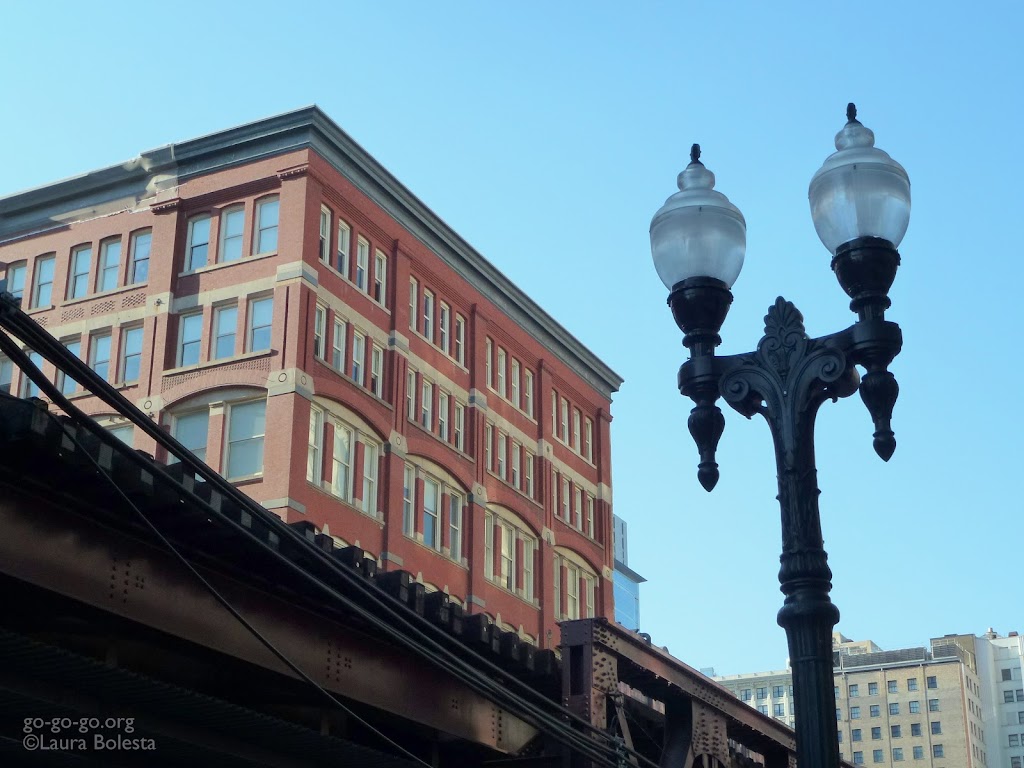
What River North lacks in things to do, it makes up for in misplaced objects.

The Indiana Dunes are comprised of both state and national parkland in Chesterton, Indiana. It’s an incredibly diverse area and includes lakefront, swamp, marsh, and forest. It’s surreal to pass so quickly from one to another, especially a mere hour and a half from my house on the northwest side of Chicago.

Welcome to the park!
We started off on Trail 10 and hit the marsh. I need to figure out when the water lilies bloom so I can make a point to see them.

I can’t say the word “swampy” without thinking of Who’s Afraid of Virginia Woolf.
The extremely swampy parts have boardwalks so you don’t have to wade through the muck.

However, the irises were in bloom, which was a treat. I’ve never seen irises doing their thing out in the wild before.

The marsh gave way to forest, and then dunes.

It’s so odd to see pine trees, scrub, and beach all at the same time.
After this we got to a blowout, which is basically what it sounds like–a valley created by wind blowing the sand away.

Either Big, Furnessville, or Beach House Blowout. I have no idea which one.

NB: Going down is MUCH easier than going up.
My dog pretty much had the time of her life on the beach, which was fun to watch after slogging up and down the dunes.

Minka with Auntie Linda
Just before cutting back over to where we started, we were treated to a beautiful view of rustbelt Indiana. Win some, lose some, I guess.

Let’s just pretend that smoke is a cloud.

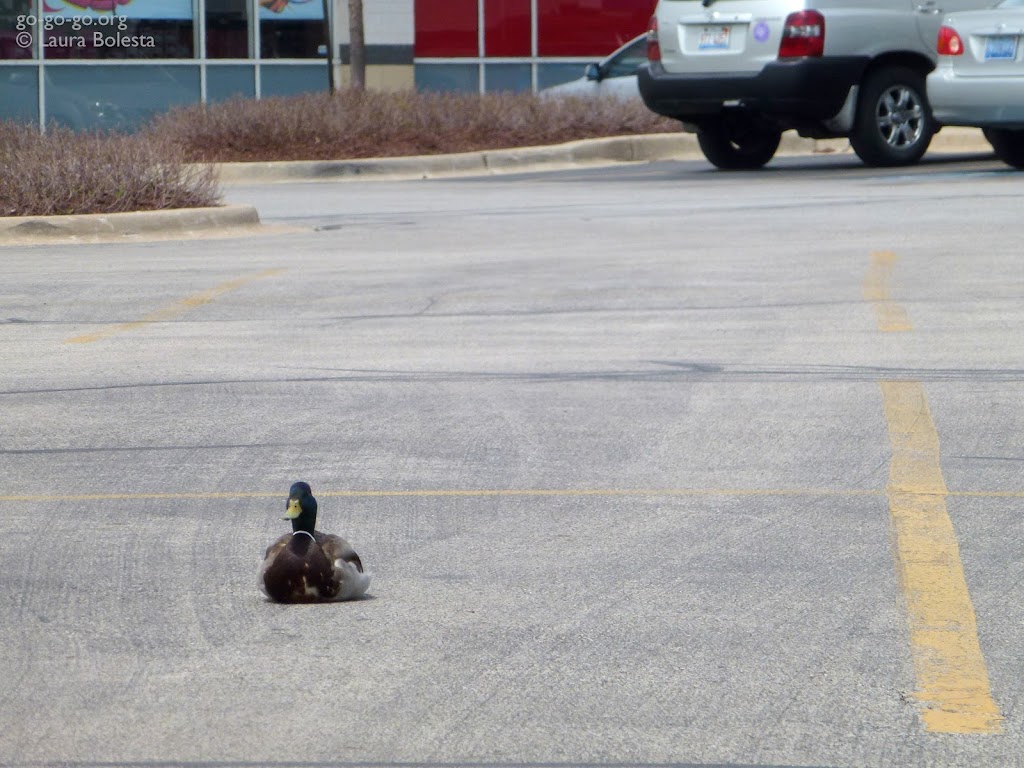
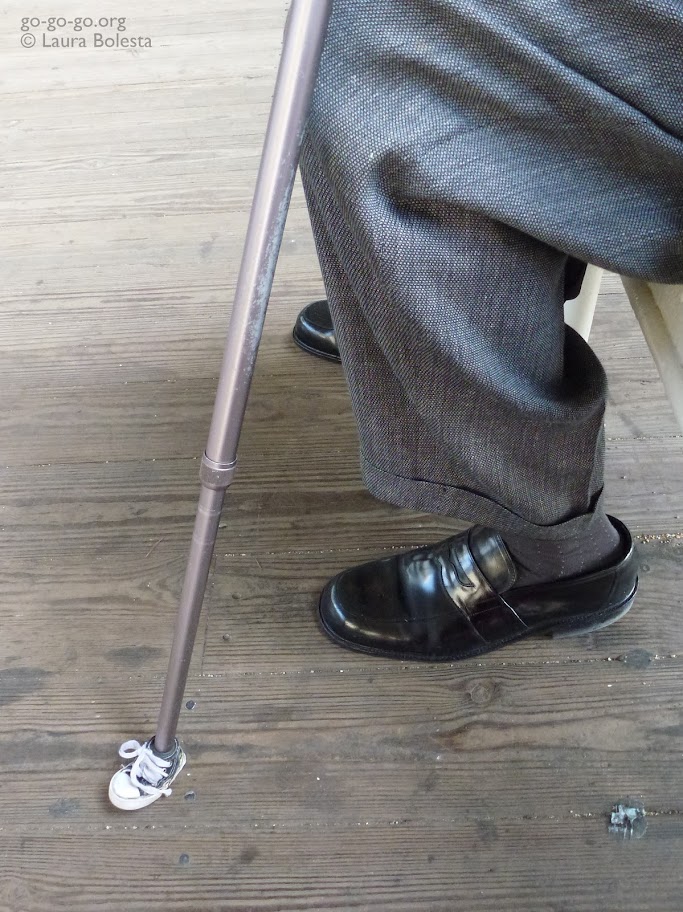
This guy made my day.


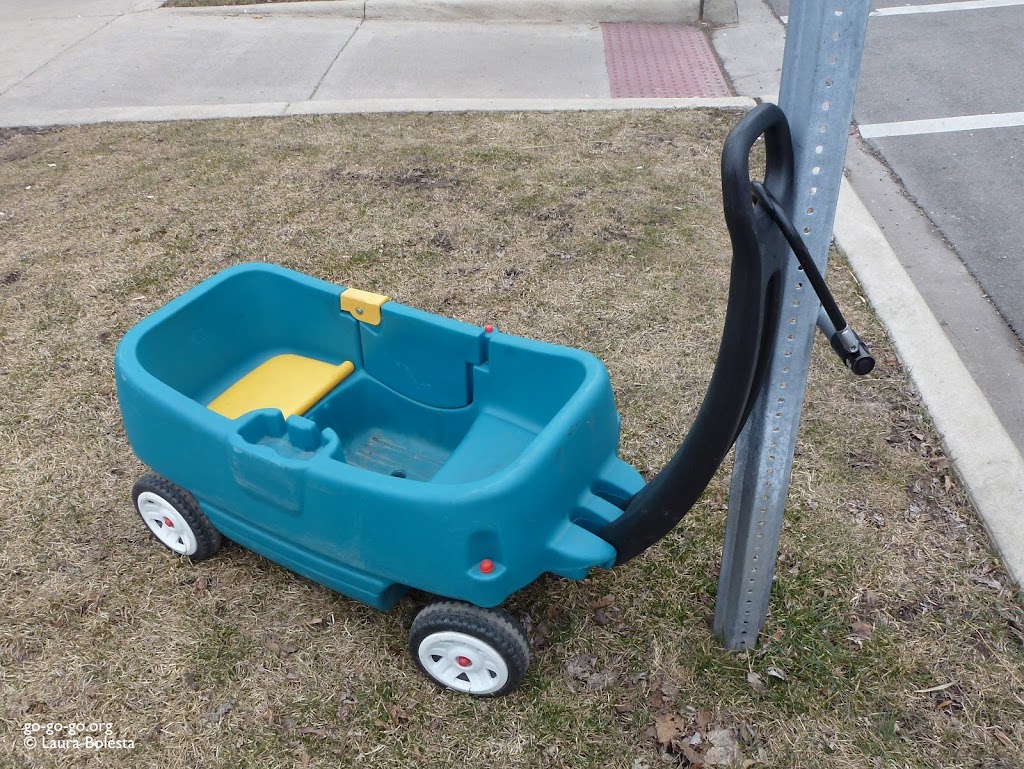
Trust your neighbors but lock your wagon.
Bridge construction is surreal…

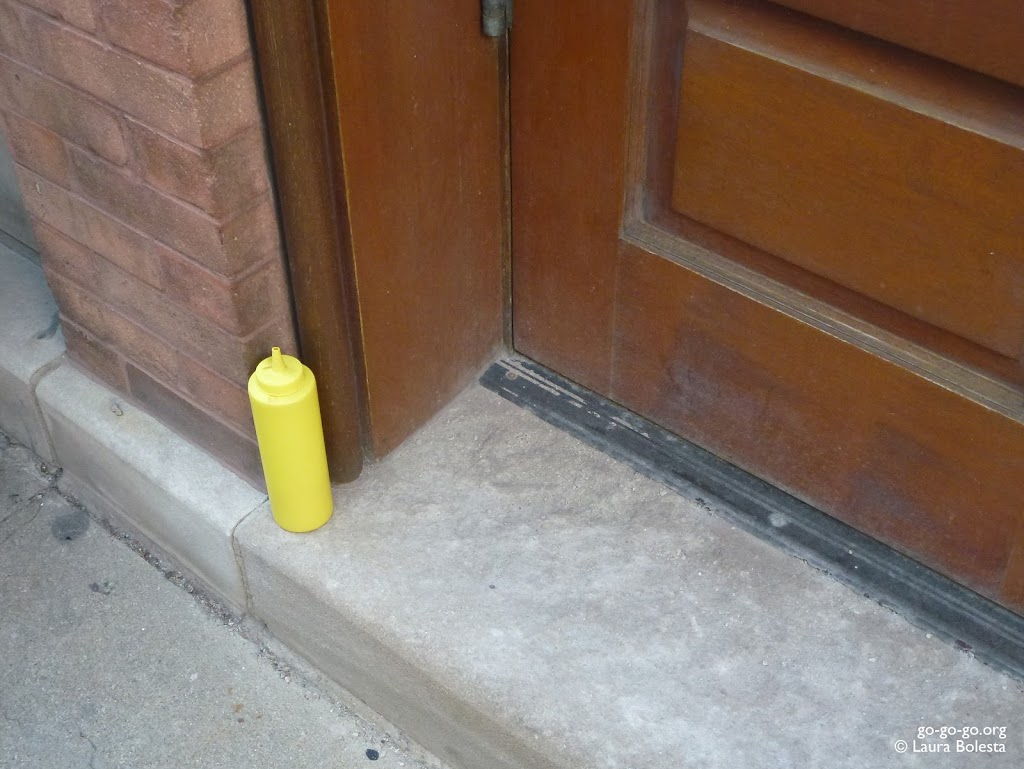
Note: not anywhere near a restaurant.
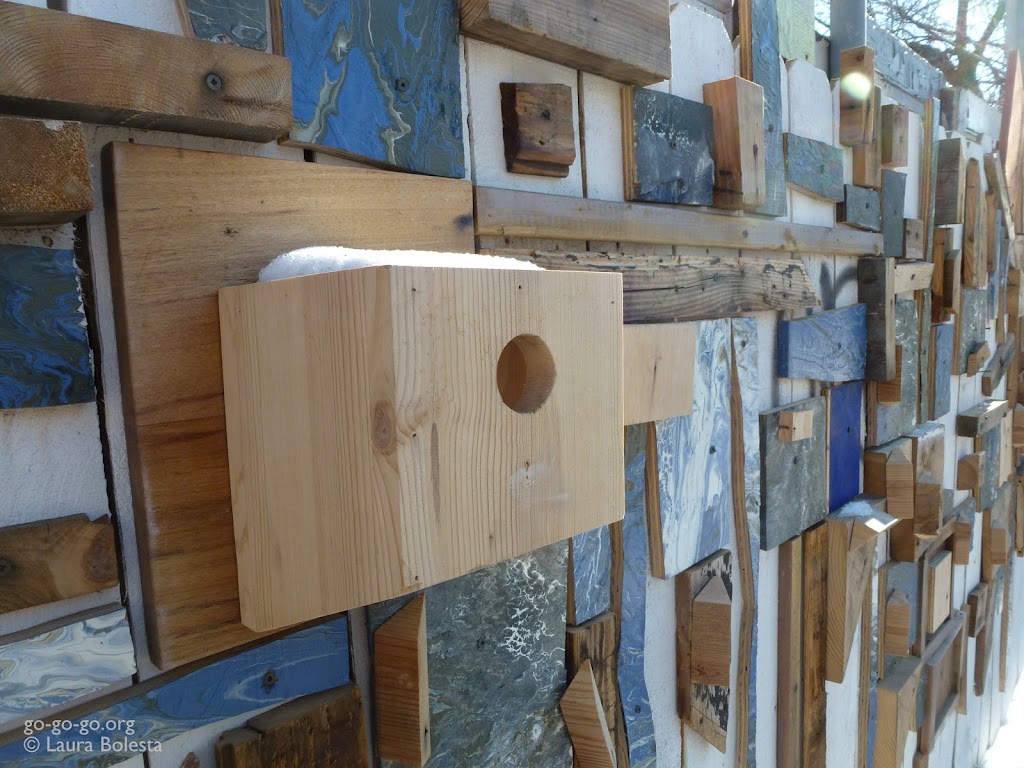
Dad’s sweater makes for prime napping.
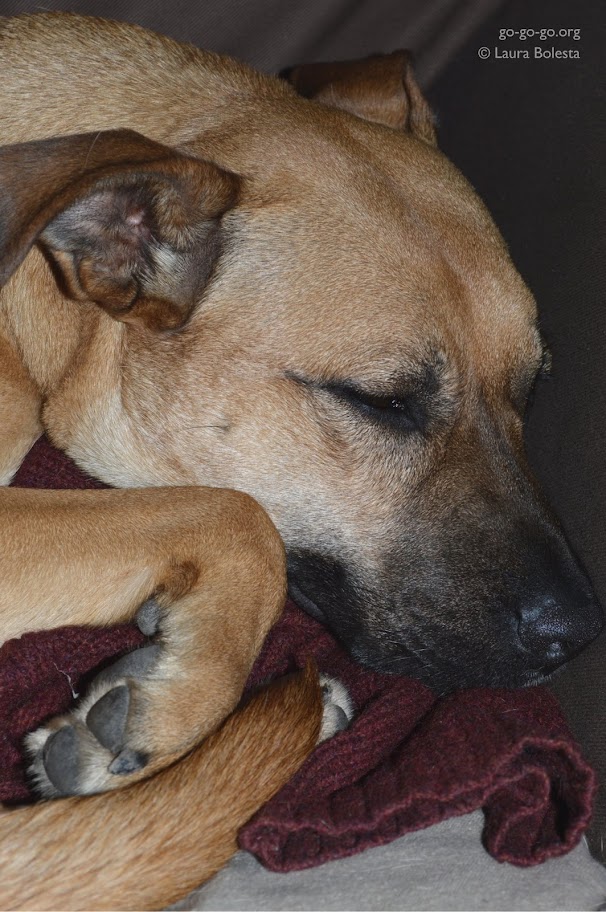



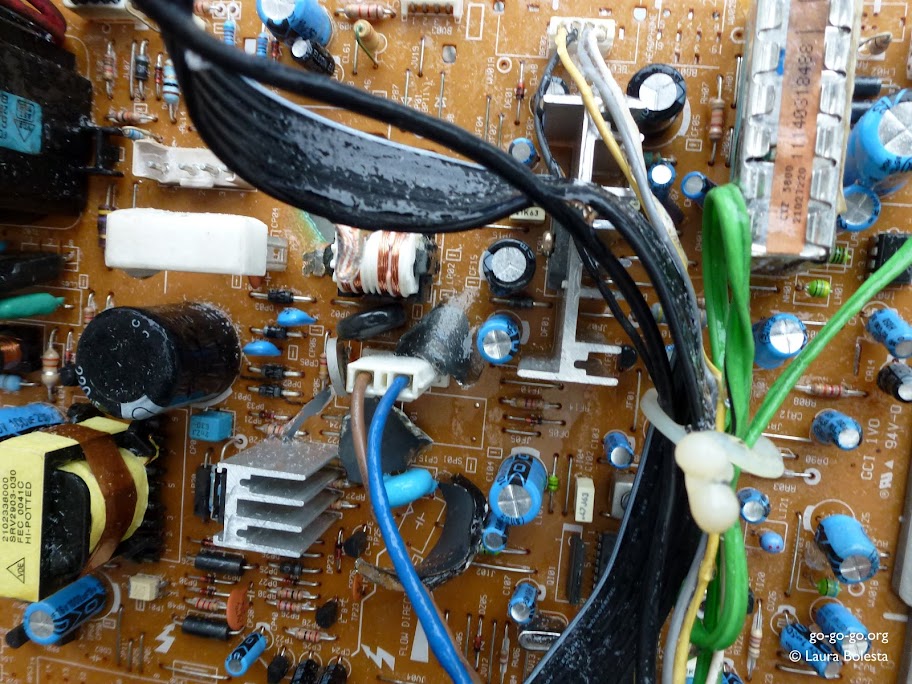
What the inside of a TV looks like once the scrappers are done with it.
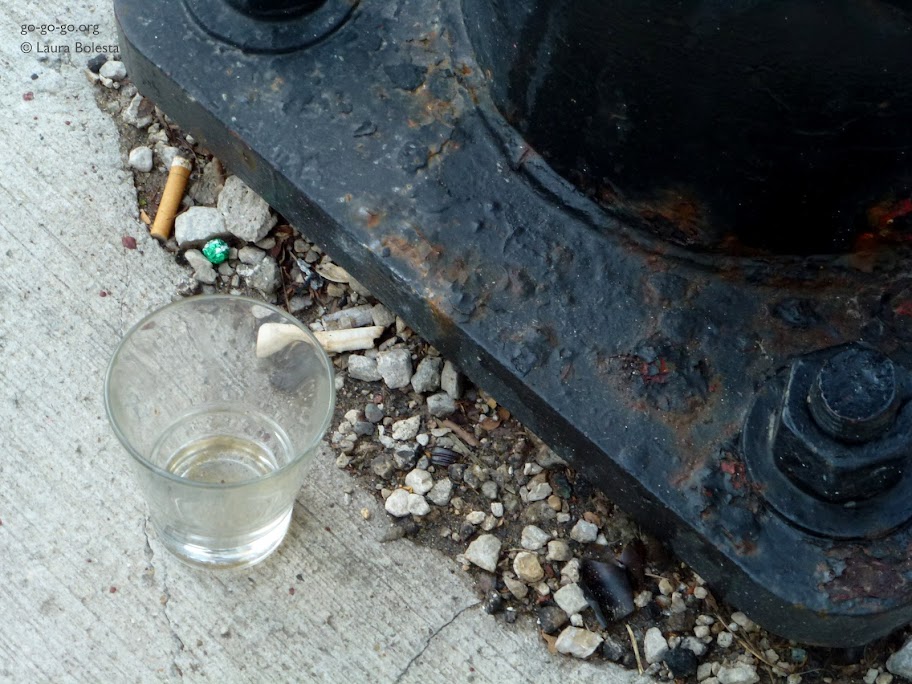
Just hanging out in the middle of the sidewalk.


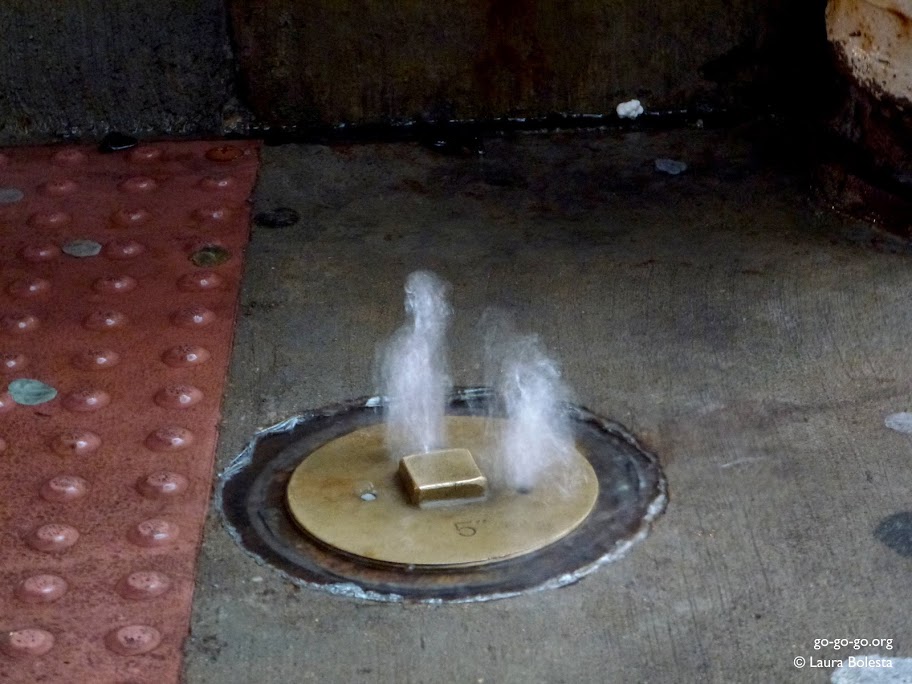
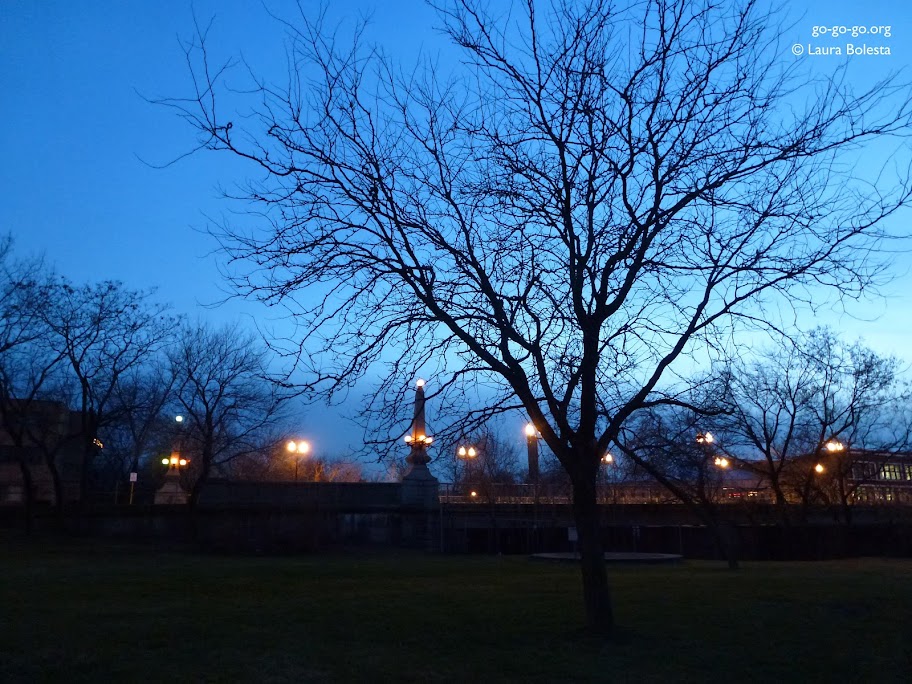
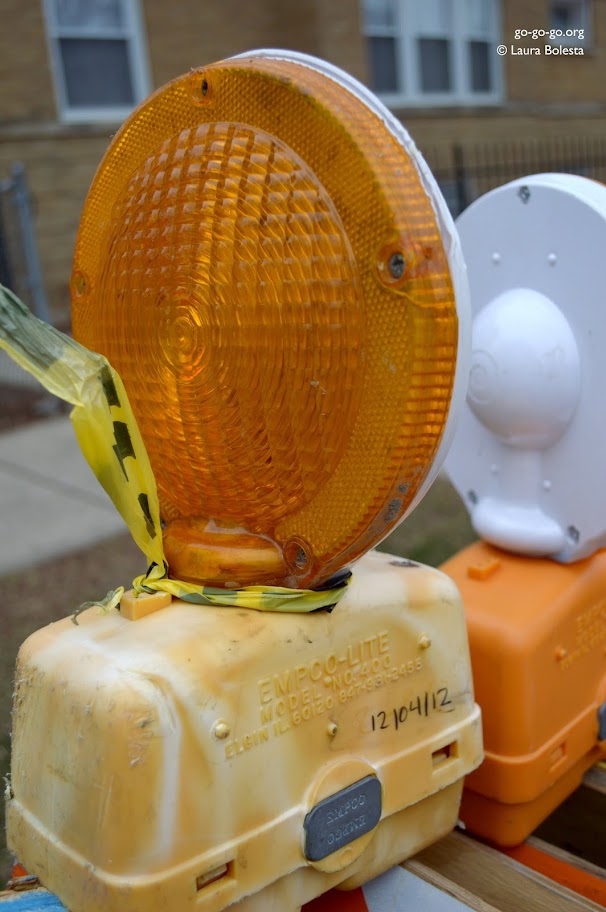
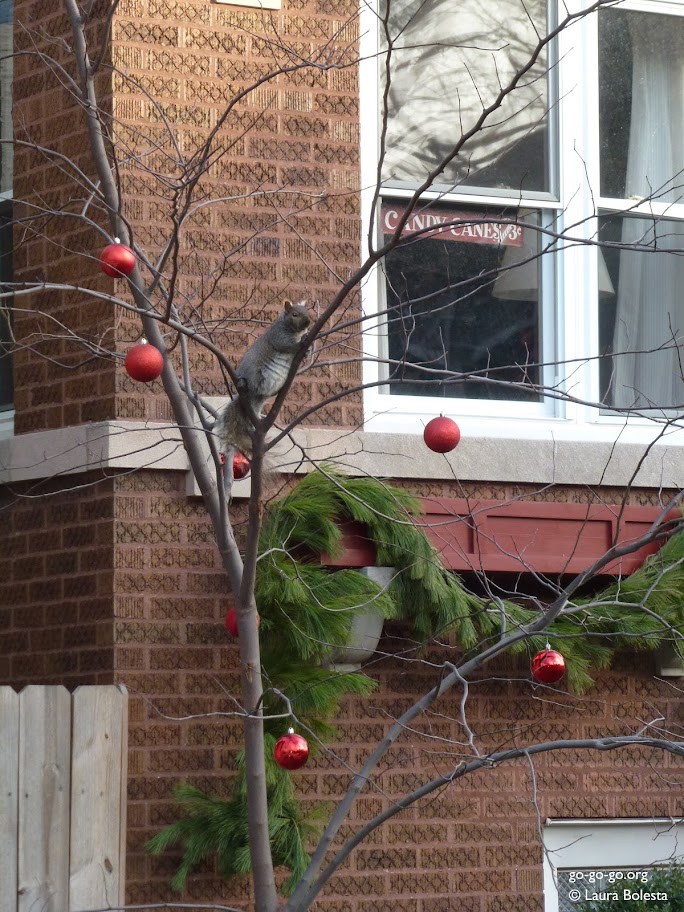
What is going on with this tree?

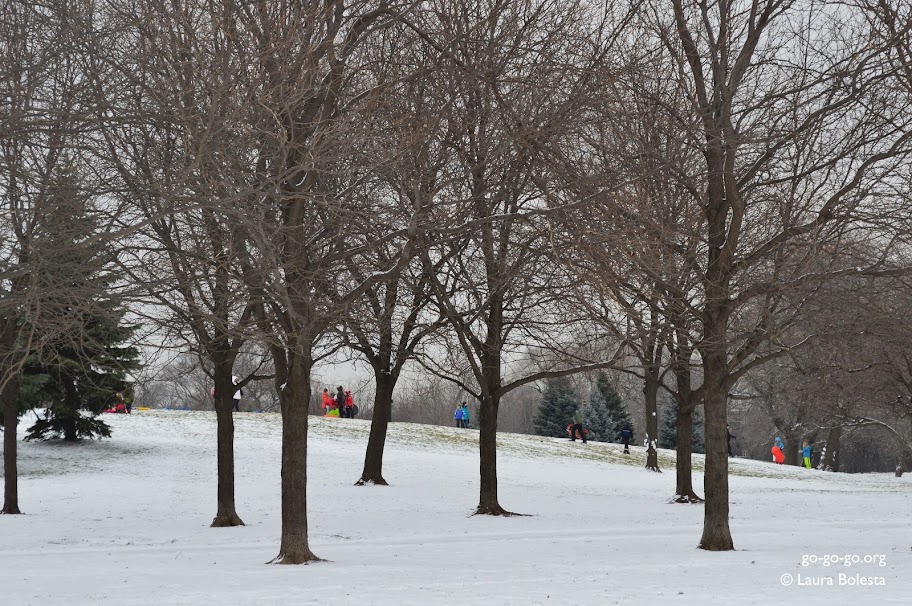

Is it just me or is the theme from Friday Night Lights playing in your head, too?

Comments that make most photographers want to punch someone in the face:
“This camera takes good pictures.”
“What kind of camera do you have?”
“I would take more/better photos, but I don’t have a good camera.”
Why? Because your camera doesn’t matter. A camera is a box with a hole in it. Literally. People make kickass photos with cardboard boxes with holes punched in them all the time. So don’t blame it on your camera.
Cameras Don’t Take Photos–People Take Photos
If you’re a good photographer, you’ll take good photos, even with a piece of crap disposable camera. Likewise, if you’re terrible, the fanciest Hasselblad won’t be able to save you. Think of a camera like a musical instrument. A great musician can sound good on a bottom-shelf instrument, but they’ll be wonderful on their own axe, knowing its quirks, and using a quality product.
What About Zoom Lenses?
Zoom lenses are a lie the photo industry has been selling to consumers forever. Are you on safari photographing lions? No? Then you don’t need a fancy zoom lens. The regular little zoom that came with your camera is good enough, and if it isn’t then you probably aren’t doing it right. Your other option is what my dad calls the “tennis shoe zoom,” which roughly translates into “get off your lazy ass and get closer to your subject.” Zoom lenses have multiple elements, and the zoomier they are, the more they have. This may sound like a good thing, but they compress space in a weird way and the trade-off for distance is aberration. Also, the longer the lens, the harder it is to keep it steady.
SLR vs. Point-and-Shoot
A single-lens reflex camera (SLR) has a viewfinder that lets the photographer look directly through the lens via a prism, while the shutter and film/sensor are directly behind the lens. This definition is starting to break down, because most digital point-and-shoot cameras also have this function, though by different means. So, in the digital world, DSLRs have big honking lenses with manual controls and nice big sensors. Conversely, point-and-shoot cameras are small, portable, and easy to use. They typically have all-automatic controls and are designed to be toted around and used by people who want to push a button and have the camera do the rest.
There are benefits and drawbacks to each kind of camera. SLRs have better image quality, work better in low light, and are faster. P&Ss are portable and convenient. Remember, the best camera is the one you use. Having a fancy SLR with fifteen lenses does you no good if you never have it with you. Almost all of the photos I’ve posted to Go Go Go so far have been taken with P&S cameras because I know how to use the camera to get what I want, and portability is more important to me in these cases than image quality. There’s no right answer, so work with what you have.
[Apologies to my dad for shamelessly stealing all his best advice.]
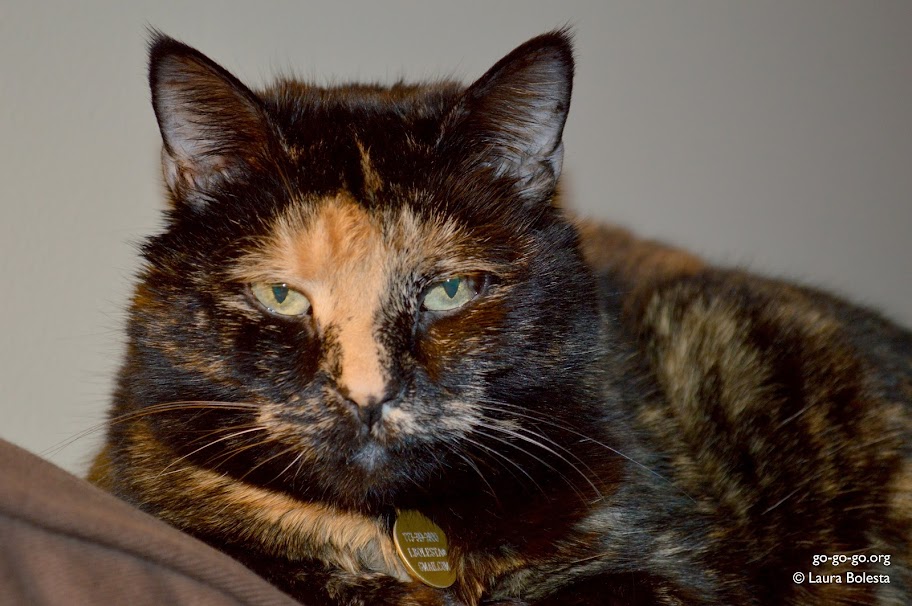
Zelda is either giving me a come-hither stare, or warning me that if I take one more photo, she’s going to eat my face off.
We’re going to start off our photography lessons by getting into the right mindset, and to do that you’re going to stop taking pictures. What? You heard me–taking pictures is what your aunt does at birthday parties. You, my friend, are making photographs. Yes, that sounds unbearably pretentious, but try it out. Photography is an art form! I know this because I spent a few years in art school and that is what they told me. However, snapshots : fine art photography :: house painting : Rembrandt. That’s not actually true though, because painting houses is hard work that actually takes skill, unlike taking terrible snapshots.
Anyone can accidentally take a good photo. Those cats with cameras strapped to their necks manage a good shot every once in a while. But having opposable thumbs means that you should aim higher than that.
Patience Is a Virtue
I don’t think it’s a coincidence that my weapon of choice in video games is a sniper rifle. Killing bandits and taking photos use many similar skills: you have to wait, watch, and pay attention. I’m not saying you have to sit in a deer blind all day to get a good shot, but pause, look, exhale, and then pull the trigger.
Quantity Will Lead to Quality
Then pull that trigger thirty more times, because one of those photos is going to be better than all the others, but you won’t know which one it is until you’ve taken them all. Shoot them all and let editing sort them out. As a beginner, your goal should be to get one good photo out of thirty or forty. I’m dead serious, and memory is cheap–there’s nothing holding you back (assuming you’re using a digital camera).
Don’t worry, we’ll have a lesson on editing. For now, though, just get out there and make some photographs.
 Everyday Photo